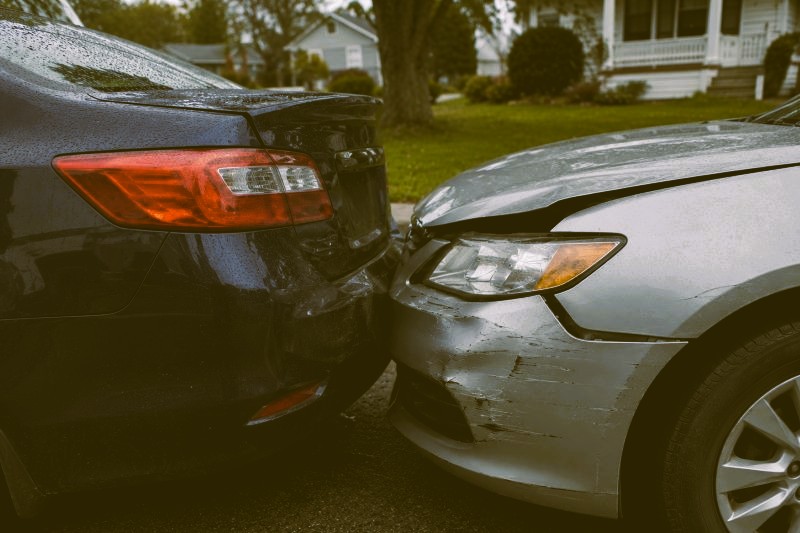
Rear-end accidents often seem straightforward. One vehicle stops or slows, and another vehicle crashes into it from behind. Because drivers are expected to maintain enough distance to stop safely, the rear driver is frequently responsible. However, fault after an Indianapolis rear-end accident is not automatic.
The circumstances leading up to the collision still matter. Evidence may show that the rear driver was following too closely, distracted, or traveling too fast for conditions. In other cases, the front driver or another party may share responsibility. We help people injured in Indianapolis rear-end crashes investigate what happened, preserve evidence, and respond when an insurance company disputes fault.
Why Is the Rear Driver Often Considered at Fault?
Indiana drivers have a responsibility to operate their vehicles with reasonable care. State law also requires motorists not to follow another vehicle more closely than is reasonable and prudent, considering speed, traffic, and highway conditions.
That rule is particularly relevant in rear-end accidents.
A driver should generally leave enough space to react when traffic slows or stops. If a motorist is following too closely, looking at a phone, speeding, or otherwise failing to react appropriately, that conduct may support a finding of fault after an Indianapolis collision.
Evidence of rear-driver negligence may include:
- Following too closely
- Texting or other distracted driving
- Speeding
- Failing to account for traffic congestion
- Driving too fast for weather conditions
- Failing to brake in time
- Driving while impaired
- Failing to maintain proper control of the vehicle
However, the location of the damage alone does not necessarily resolve every question about responsibility.
Can the Front Driver Ever Be at Fault?
Yes. Although the rear driver is commonly responsible, circumstances can arise in which the driver of the front vehicle shares some or all of the fault.
For example, an investigation might examine whether the front driver:
- Reversed unexpectedly
- Changed lanes abruptly
- Entered traffic without adequate clearance
- Had nonfunctioning brake lights
- Stopped in a travel lane without an apparent reason
- Engaged in other unsafe driving immediately before the collision
These circumstances do not automatically make the front driver responsible either. They simply illustrate why an Indianapolis rear-end accident should be evaluated based on the evidence rather than an assumption about which vehicle was struck from behind.
In a multi-vehicle crash, determining fault can become even more complicated. One vehicle may be pushed into another after being struck from behind, creating a chain reaction involving several drivers.
How Is Fault Determined After an Indianapolis Rear-End Accident?
Insurance companies, attorneys, and courts may consider multiple forms of evidence when determining how an Indianapolis rear-end collision occurred.
Useful evidence may include:
- Photographs of the vehicles
- Photographs or video of the accident scene
- Police reports
- Witness statements
- Dashcam footage
- Traffic or surveillance camera footage
- Vehicle damage
- Skid marks and roadway evidence
- Cellphone records when legally obtainable and relevant
- Event data from the vehicles
- Statements from the drivers
The position and severity of vehicle damage may help explain the mechanics of the impact, but it should be considered alongside the rest of the evidence.
Our Indianapolis car accident attorneys can investigate the circumstances surrounding a rear-end collision and address attempts to shift responsibility to an injured driver.
What Happens If Both Drivers Share Fault?
Indiana follows a modified comparative fault system. That means more than one person can potentially bear responsibility for an accident.
For claims governed by Indiana's Comparative Fault Act, an injured person's compensation can generally be reduced according to that person's percentage of fault. If the claimant's fault is greater than the fault of all defendants whose fault is being compared, recovery is barred.
Consider an Indianapolis driver who suffers $100,000 in damages but is determined to be 20 percent responsible for the accident. The recoverable damages could generally be reduced by 20 percent, leaving $80,000.
This makes disputes over fault percentages important. An insurer may argue that the front driver contributed to the rear-end accident in an effort to reduce or potentially defeat the claim.
We examine the evidence behind those arguments instead of accepting an insurer's fault determination at face value.
What If You Were Stopped at a Red Light?
Being struck while lawfully stopped at a red light, stop sign, or in backed-up traffic may provide strong evidence concerning how the collision happened.
The rear driver may have been distracted, following too closely, traveling too fast, or simply failed to notice that traffic had stopped.
Even in these situations, evidence should be preserved.
Take photographs of the vehicle damage and accident location if you can safely do so. Identify witnesses and determine whether nearby businesses, homes, or traffic systems may have captured the collision.
Camera footage can be particularly valuable in an Indianapolis fault dispute, but recordings may be overwritten. Identifying potential video evidence soon after the crash can help preserve an objective account of what occurred.
What If Several Vehicles Were Involved?
Chain-reaction rear-end accidents can raise much harder questions about fault.
Imagine that you are stopped in Indianapolis traffic when the vehicle behind you is struck by a third vehicle and pushed into your car. The driver immediately behind you may have had little or no ability to prevent the collision.
Alternatively, several drivers may have been following too closely, resulting in multiple impacts.
Investigating these crashes may require determining:
- Which collision happened first
- How many separate impacts occurred
- Where each vehicle was positioned
- Whether any vehicle was pushed forward
- What witnesses observed
- Whether video captured the sequence
- What vehicle damage indicates about the impacts
Statements made immediately after the accident can also become important. When several drivers and insurers are involved, each company may have a different position about how responsibility should be divided.
Can the Insurance Company Dispute Fault?
Yes. You should not assume that an insurer will automatically accept responsibility simply because its insured rear-ended your vehicle.
An adjuster may argue that you stopped suddenly, changed lanes, contributed to the collision, or caused a chain reaction. The company may also dispute the severity of the impact or argue that your injuries were unrelated to the Indianapolis crash.
This is why evidence should be preserved from the beginning.
Keep copies of photographs, medical records, repair estimates, witness information, police documentation, insurance correspondence, and any available video.
Be careful about providing recorded statements or signing releases before understanding the extent of your injuries and the effect of the documents you are being asked to sign.
What Compensation May Be Available After a Rear-End Accident?
Establishing fault is only one part of an Indianapolis car accident claim. An injured person must also document the losses caused by the collision.
Depending on the circumstances, recoverable damages may include:
- Medical expenses
- Future medical care
- Lost wages
- Reduced earning capacity
- Property damage
- Other accident-related expenses
- Pain and suffering
Rear-end accidents can cause injuries even when vehicle damage initially appears limited. Neck, back, head, shoulder, and other injuries may require ongoing evaluation or treatment.
Seek appropriate medical care and explain your symptoms accurately. Keep records of appointments, bills, prescriptions, work restrictions, and changes in your ability to perform normal activities.
How Can You Protect Your Indianapolis Rear-End Accident Claim?
Do not rely solely on the assumption that the rear driver will automatically be found at fault. Preserve the evidence needed to show how the accident actually occurred.
After an Indianapolis rear-end crash, consider keeping:
- Scene and vehicle photographs
- Witness contact information
- Police report information
- Medical records and bills
- Repair estimates
- Insurance correspondence
- Proof of missed work
- Available video footage
- A timeline of treatment and symptoms
Avoid posting speculation about the accident on social media. You should also consider obtaining legal advice before accepting a settlement or signing a broad release.
A clear record can be particularly important if the other driver or insurance company later presents a different version of the collision.
Talk With Our Indianapolis Rear-End Accident Attorneys
The rear driver is often responsible for a rear-end collision, but fault is not determined solely by which vehicle sustained damage to the back. Driver conduct, traffic conditions, witness accounts, video footage, vehicle evidence, and Indiana's comparative fault rules can all affect an Indianapolis car accident claim.
If you are dealing with injuries after a rear-end collision in Indianapolis, our attorneys are here to help. Call us today or connect with us online to schedule a consultation.