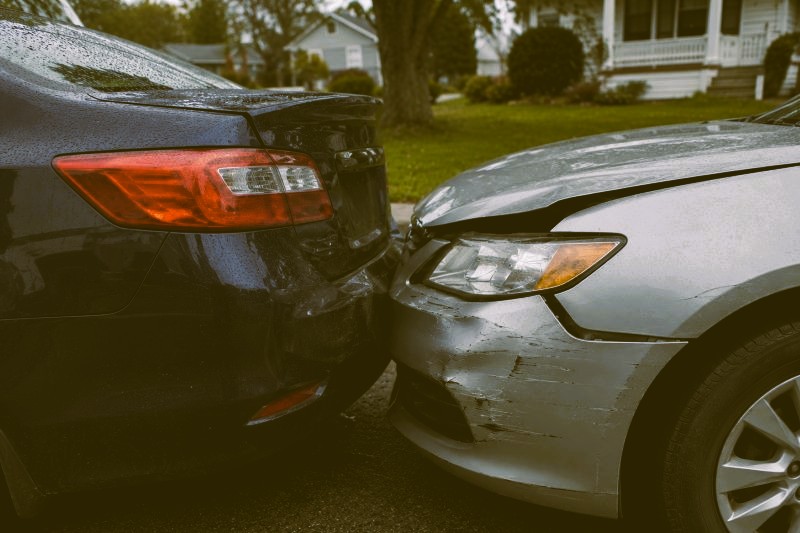
After a car accident in Indianapolis, one of the most common fears people have is, “What if the crash was partly my fault?” Many drivers assume that if they made any mistake at all, they cannot recover compensation. Fortunately, that is not how Indiana law works.
Indiana follows a modified comparative fault system. This means you may still be able to recover compensation even if you were partially responsible for the accident. However, your ability to recover damages depends on your percentage of fault. Understanding how this rule applies can make a significant difference in your case.
If you were injured in a crash anywhere in Marion County or the greater Indianapolis area, knowing your rights under Indiana’s comparative fault law is critical.
How Indiana’s Comparative Fault Rule Works
Indiana uses what is known as the “51 percent rule.” Under this system:
- You can recover compensation as long as you are not more than 50 percent at fault for the accident.
- If you are 51 percent or more at fault, you cannot recover damages.
- If you are 50 percent or less at fault, your compensation will be reduced by your percentage of fault.
For example, if your total damages equal $100,000 but you are found 20 percent responsible, your recovery would be reduced by 20 percent. In that scenario, you would receive $80,000.
However, if you are found 51 percent responsible, you would recover nothing.
This is why fault allocation is one of the most important issues in any Indiana car accident case.
What Does “Partially at Fault” Really Mean?
Being partially at fault does not necessarily mean you caused the accident. It simply means your actions may have contributed in some way.
Common examples include:
- Slightly exceeding the speed limit
- Failing to signal a lane change
- Following another vehicle too closely
- Distracted driving
- Rolling through a stop sign
In many Indianapolis accidents, both drivers share some degree of responsibility. For example, one driver may have been speeding while the other made an unsafe turn. Insurance companies often attempt to assign blame strategically to reduce what they must pay.
Even small percentages matter. If an insurance adjuster can push your fault from 45 percent to 51 percent, your entire claim disappears.
How Fault Is Determined After an Indianapolis Car Accident
Fault is not decided automatically. It is based on evidence. Insurance companies, attorneys, and sometimes juries evaluate the available facts to determine how responsibility should be divided.
Evidence may include:
- Police accident reports
- Traffic camera footage
- Dashcam recordings
- Witness statements
- Vehicle damage analysis
- Accident reconstruction reports
- Cell phone records in distracted driving cases
In busy areas of Indianapolis such as I-465, I-70, Keystone Avenue, or downtown intersections, multiple factors may contribute to a crash. Weather conditions, traffic congestion, and road design can also play a role.
Because Indiana’s comparative fault system directly impacts your financial recovery, thorough investigation is essential.
Why Insurance Companies Focus on Blame
Insurance companies are not neutral parties. Their goal is to minimize payouts. One of the most effective strategies they use is shifting blame.
After a crash, you may hear statements like:
- “You were driving too fast for conditions.”
- “You should have seen the other vehicle sooner.”
- “You could have avoided the collision.”
Even if the other driver clearly caused the crash, insurers may argue that you share some responsibility. Without strong representation, these arguments can reduce your compensation significantly.
At Flores Law Group, we represent injured drivers in serious car accident cases in Indianapolis, carefully analyzing fault issues to protect our clients from unfair blame shifting.
Common Scenarios Where Partial Fault Arises
Certain types of accidents frequently involve shared fault claims.
Rear-End Collisions
Although the rear driver is often presumed responsible, there are situations where the front driver may share fault, such as sudden braking without reason or malfunctioning brake lights.
Left-Turn Accidents
Left-turn crashes are common at Indianapolis intersections. While the turning driver typically has the duty to yield, the oncoming driver may share fault if speeding or running a red light.
Multi-Vehicle Pileups
On highways like I-465, chain-reaction crashes can involve multiple drivers. Determining fault percentages in these cases can be complex and highly contested.
Weather-Related Accidents
Indiana winters bring snow and ice. Even when weather plays a role, drivers are still expected to operate their vehicles safely for the conditions. Fault may be shared if both drivers failed to exercise reasonable caution.
What Damages Can You Recover?
If you are 50 percent or less at fault, you may still recover compensation for:
- Medical expenses
- Future medical treatment
- Lost wages
- Reduced earning capacity
- Pain and suffering
- Property damage
The amount you ultimately receive will depend on the severity of your injuries and your percentage of fault.
Serious injuries such as traumatic brain injuries, spinal damage, and long-term orthopedic injuries can result in substantial claims. Protecting your percentage of fault is key to preserving the full value of those damages.
Why Early Legal Representation Matters
Because fault allocation is so critical in Indiana, early legal intervention can make a significant difference. Evidence can disappear quickly. Witness memories fade. Surveillance footage may be overwritten.
An experienced Indianapolis car accident attorney can:
- Conduct an independent investigation
- Work with accident reconstruction experts
- Challenge inaccurate police report conclusions
- Negotiate aggressively with insurance companies
- Present strong evidence if the case goes to trial
Even if you believe you may have been partially responsible, do not assume you are barred from recovery. Many injured drivers underestimate their legal rights under Indiana’s comparative fault law.
Do Not Let Partial Fault Prevent You From Seeking Help
Being partially at fault does not automatically prevent you from receiving compensation in Indiana. As long as you are not more than 50 percent responsible, you may still recover damages, though your award will be reduced accordingly.
The key issue is ensuring that fault is assigned fairly and based on accurate evidence, not insurance company tactics.
If you were injured in a car accident in Indianapolis and are concerned about being partially at fault, it is important to speak with an attorney before accepting any settlement offer. Flores Law Group is committed to protecting the rights of accident victims throughout Marion County and the surrounding areas. Contact us today to discuss your case and learn how we can help you pursue the compensation you deserve.